

Mastering the Art of Cinematic Video: Tips and Techniques
- Dablu Media
- Jan 23, 2024
- 3 min read

In the world of videography, there's a realm that filmmakers and videographers aspire to conquer – the realm of cinematic video. Whether you're a professional videographer, an aspiring filmmaker, or just someone who loves creating visually stunning content, understanding the techniques behind cinematic video is essential.
Today, we're excited to share our knowledge and provide you with valuable insights into creating cinematic video content. From camera settings to storytelling, we'll cover it all.
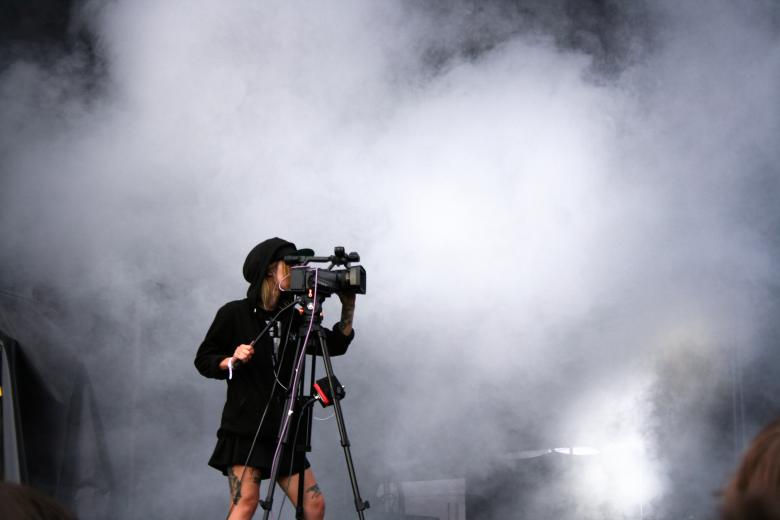
Camera Settings : The Foundation
The Basics The first step to creating cinematic video is to adjust your camera settings. Here are some tips to get that film-like quality:
Frame Rate: Choose a frame rate of 24 frames per second (fps) for your video. This frame rate matches the look of classic film and is perfect for creating a cinematic mood.
Shutter Speed: Set your shutter speed to twice your frame rate. For example, if you’re shooting at 24 fps, use a shutter speed of 1/48 or 1/50 seconds. This will create a slight motion blur that adds to the cinematic feel.
Aperture: Use a low f-stop (wide aperture) to create a shallow depth of field, making your subject pop out from the background.
Picture Profile: Try different picture profiles to achieve the desired color grading and tone for your video.

Composition and Framing
Creating a Visual Story Cinematic videography is about telling a story through visuals. Here are some tips to consider:
Rule of Thirds: Split your frame into thirds, both horizontally and vertically, and position key elements at the corners or along the lines.
Leading Lines: Use lines, like roads or fences, to draw the viewer’s eyes toward the subject.
Symmetry and Asymmetry: Create harmony in your shots through symmetry, or introduce visual interest with asymmetry.
Use of Negative Space: Leave empty spaces in the frame to add depth and focus on the subject.


Lighting: Creating with Light Lighting is crucial in cinematic videography
Natural Light: Use natural light to create soft, flattering effects. The golden hour (during sunrise or sunset) provides beautiful, warm lighting.
Three-Point Lighting: A classic setup with a key light, fill light, and back light can add depth to your subject.
Silhouettes: Try backlit shots to create stunning silhouettes.

Storytelling and Scriptwriting
The Soul of Cinematic Video Visuals are important, but storytelling is what engages your audience.
Scriptwriting: Plan your narrative, dialogues, and shots beforehand. Create a captivating story that your audience can relate to.
Transitions: Use inventive transitions to move between scenes or ideas. Dissolves, wipes, and cuts all have their distinct effects.
Emotional Impact: Focus on eliciting emotions through your storytelling. The audience should feel something when watching your video.

Audio and Sound Design
Enhancing Depth Cinematic videography is not only about visuals – audio is also essential.
Soundtrack: Pick music that matches the mood and pace of your video. Consider using royalty-free or licensed music to avoid legal issues.
Sound Effects: Add ambient sounds and sound effects to engage the viewer in your story.
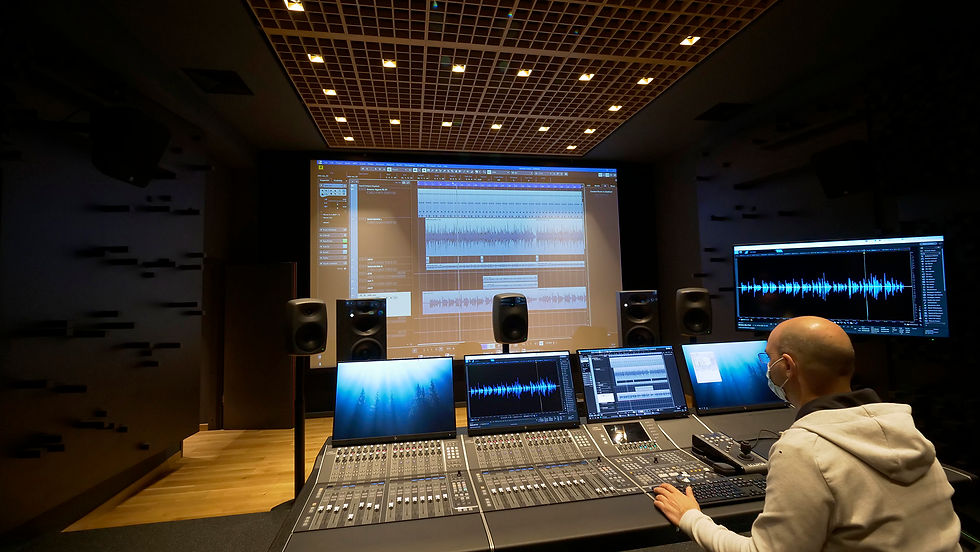
Post-Production
The Final Touch The editing stage is where your cinematic video really comes to life.
Color Grading: Improve the mood and atmosphere with color correction and grading.
Sound Editing: Adjust audio to ensure clarity and balance.
Transitions: Transition smoothly between scenes for a refined result.
Final Review: Review your video several times to catch any errors or improvements.

The Next Step
Creating cinematic video is a rewarding journey that requires practice and dedication. Remember, it's not just about the gear you use but how you use it. Experiment, learn from your mistakes, and keep honing your skills.
Start your cinematic videography journey today and bring your stories to the big screen, one frame at a time.
🎥Master the Art of Cinematic Video with Dablu Media🎬

Comments